On the Beaten Track
Sharing a route is a lovely and important gift.

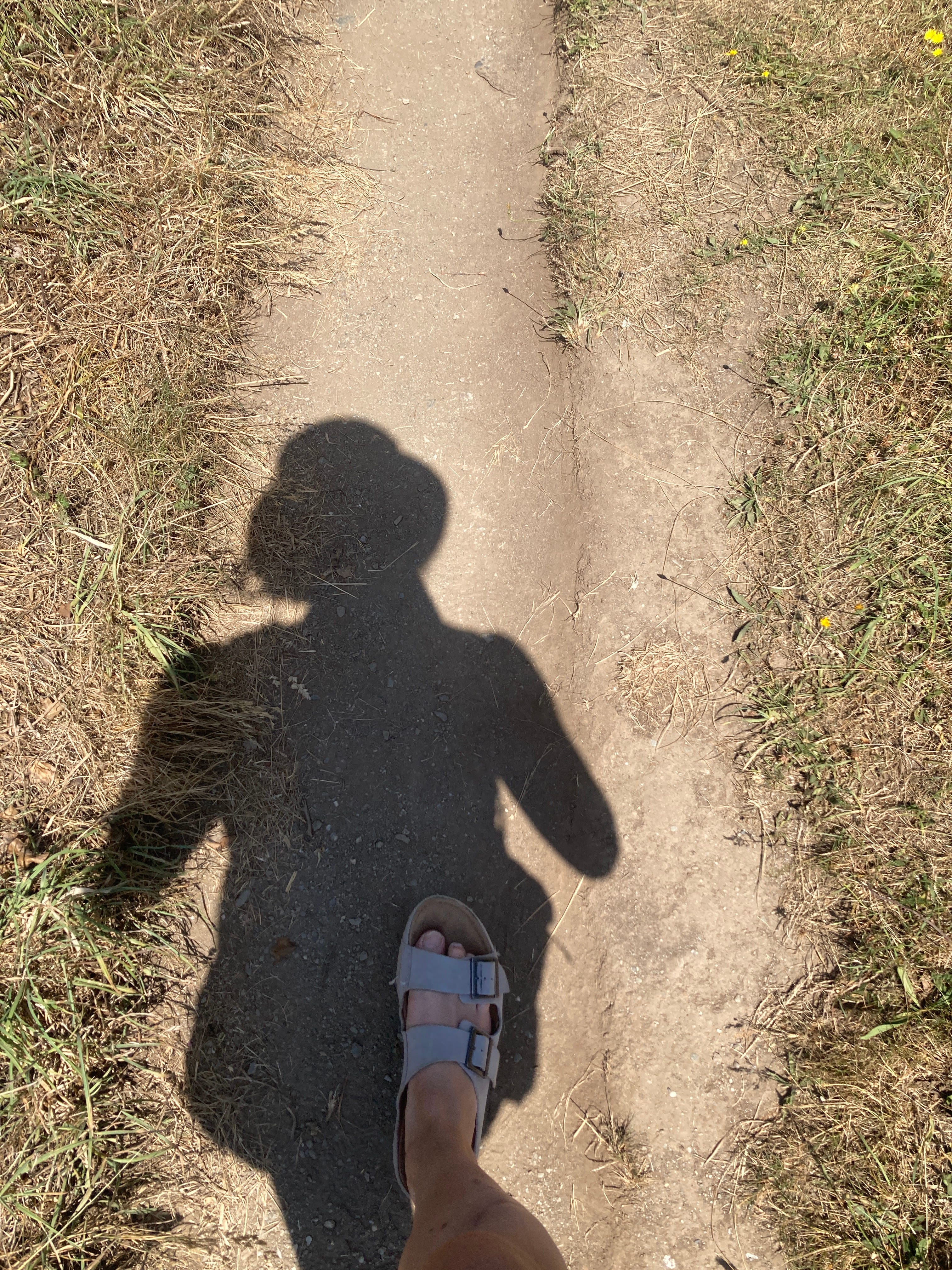
To share a route with someone is, I think, one of the greatest gifts you can give. It is so helpful to be able to say, “Take this path, not that one, it’s quicker/longer/better,” to have already made the mistakes, and to already know which sections are potentially confusing, and give someone things to look out for to make it easier. In trusting your directions, they get to explore a new place, they get to experience it for themselves and then best of all, it becomes something that you share with each other. They may then adapt your route and give you a new way of experiencing it, and the gift keeps on giving.
I’ve long been fascinated by the memories that a place can hold. Running any of my favourite routes with someone else is high risk: it takes a lot of trust and consideration, because I know it will forever be associated with them. This can be a lovely thing, if it goes well: I have extremely positive associations with spots around Bath in Somerset because of the people I shared them with, even if it was a few years ago. I’m sure that because I think of the person each time I pass through, I cement the memory further - the memory becomes a memory of a memory - but I want that to be the case. It’s nice.
My sister and I grew up in Basingstoke, Hampshire, but it’s only in recent years that either of us have needed to cycle from our parents’ house to the train station. (Nothing dramatic has changed, we both just travel by bicycle more often nowadays.) We both know the town well, so when I was looking at potential routes to take for cycling to the station this week, none of the ones that Google Maps suggested seemed right. Cycling past our old junior school at drop-off time seemed bananas, for example, and other options included main roads or just weren’t particularly inspiring. I asked my sister which way she went, and she sent me her route.
It involves a path I never even knew existed before. An old railway line has been turned into a traffic-free path all the way into the centre of town, and has opened up a whole new perspective for both of us. “Don’t go under the subway, you’ll come out at McDonald’s.” Noted. “Tree roots have made the path bumpy at the start.” Good, that’s how I’ll know I’m on the right path. “When you get to Victory roundabout, go left to join the traffic, the path runs out on the right.” I paraphrase, but these notes were as helpful as the route itself. So much of navigating is spent wondering if you are actually going the right way, having to backtrack because of a dead end, or wishing you’d taken a slightly different - but much easier - path. If you have the time and patience, figuring these things out can be fun, but if you just need to garner maximum enjoyment through minimum effort and time, a good set of directions is invaluable.
That cycle route will always be mine and hers, now. I mixed it up a little - a couple of times I went through the park instead of around the junction - but I pedalled and breathed through the same roads and paths, saw the same trees, and tried to avoid the same bumps in the terrain. We all experience a route differently, of course, we are all interested in different aspects of what a place has to offer, and the weather can change it dramatically. But I also think that’s why it’s such a beautiful gift: you give someone the chance to have their own, unique experience.
Whenever I’ve followed a walk in a book, I’ve enormously enjoyed seeing the place through the writer’s eyes as well as my own. It’s fun to feel like you’re walking in their footsteps, chasing the sights and sounds that they promise are just around the corner. If I navigate somewhere myself, I can end up feeling a very unwelcome buzz-kill sense that I’m missing out on a better view or a nicer path, and keep having to remind myself to enjoy the path that I’m on. That maybe says more about my psychology in general, but anyway, trusting in someone else’s recommendation removes all of that.
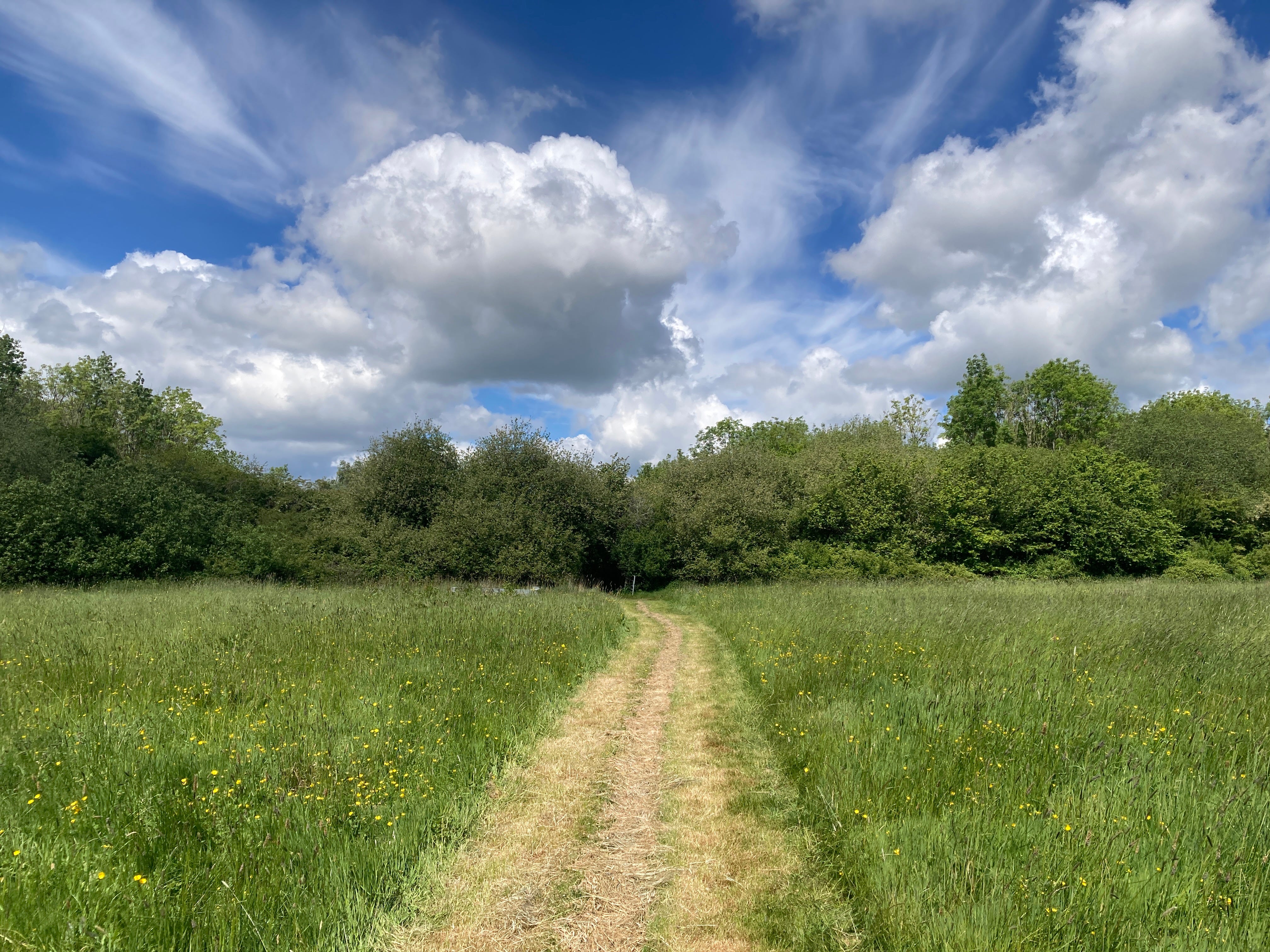
I’m sure there’s something evolutionary in the comfort that a well-documented route provides. If our ancestors successfully followed directions to water, food and shelter, they survived. Those of us who did this reproduced and thrived. Therefore, to see evidence of others’ passage through a place - a desire path cutting across a field or a clear gap between hedges - is deeply reassuring. No, it’s not counter-culture, it’s not rebellious, it’s just safe and enjoyable. Hot take: sometimes, it’s really great to take the path most followed, and stay on the beaten track. Adding your own wear and groove to a pathway feels like a declaration and confirmation that this is the preferred way, people roam here and we need and like this route. This is particularly important for preserving the relatively few paths in England that we have right of way on - we have to use them or we’ll lose them. That’s a slightly different matter, but sharing routes and using them actually is a radical and political act.
Routes, navigation and directions are and have always been an important currency. Now that we can all navigate on our phones, it’s possible that personal recommendation seems less important. But technology gets it wrong. People get it wrong too, but I would argue it would be in a far more interesting way. At least you can yell or laugh at them later. To share a route is to share a story, a part of your own experience. So yes, stay on the beaten track and walk the most obvious way. That is, unless your source is encouraging you to go off it.